

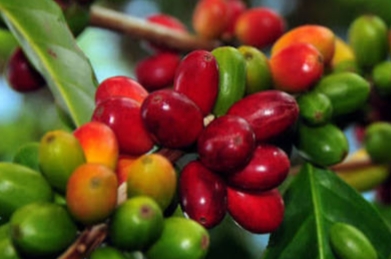
Global coffee prices continued to weaken as Brazil officially entered the 2026-2027 coffee harvest season. Expectations of abundant production from the world’s largest coffee producer have increased concerns over oversupply in the global market.
The Vietnam Commodity Exchange (MXV) reported that global coffee prices fell for the third consecutive trading session as market attention shifted from supply shortages to the prospect of a major harvest in Brazil. Brazil’s coffee production is projected to range between 66 million and 80 million bags this season.
If average production reaches around 73.8 million bags while domestic consumption remains near 22 million bags, Brazil’s coffee exports could surge to approximately 51.5 million bags. That figure is significantly higher than the 38-39 million bags exported during the previous season.
Abundant Supply Pressures Arabica and Robusta Prices
The expected supply increase has put strong pressure on both Arabica and Robusta coffee prices in international markets. However, harvesting activity in Brazil is still progressing slowly due to uneven fruit ripening and a high percentage of immature coffee cherries in several growing regions.
A report from Safras & Mercado also showed that forward sales for the 2026-2027 coffee crop have reached only 16% of projected production, below the five-year average of 25%. Producers remain cautious amid ongoing market volatility.
Meanwhile, certified Arabica coffee inventories at the ICE exchange remain low at around 462,800 bags. The limited stock has helped prevent global coffee prices from falling more sharply despite mounting supply pressure.
Brazil’s Coffee Exports Rise as Vietnam Market Also Weakens
Data from the Brazilian Coffee Exporters Association (Cecafé) showed that total coffee exports in April 2026 reached 3.12 million bags, up slightly by 0.6% compared to the same period last year. Robusta exports even jumped nearly fivefold from April 2025 levels.
In the latest trading session, July Arabica coffee futures fell 1% to US$5,824 per ton. Meanwhile, July Robusta futures declined 1.75% to US$3,306 per ton.
In Vietnam’s domestic market, coffee prices in the Central Highlands also slipped to around 87,100 VND per kilogram. The decline encouraged some farmers to increase sales amid concerns that global coffee prices could continue weakening in the near term.***